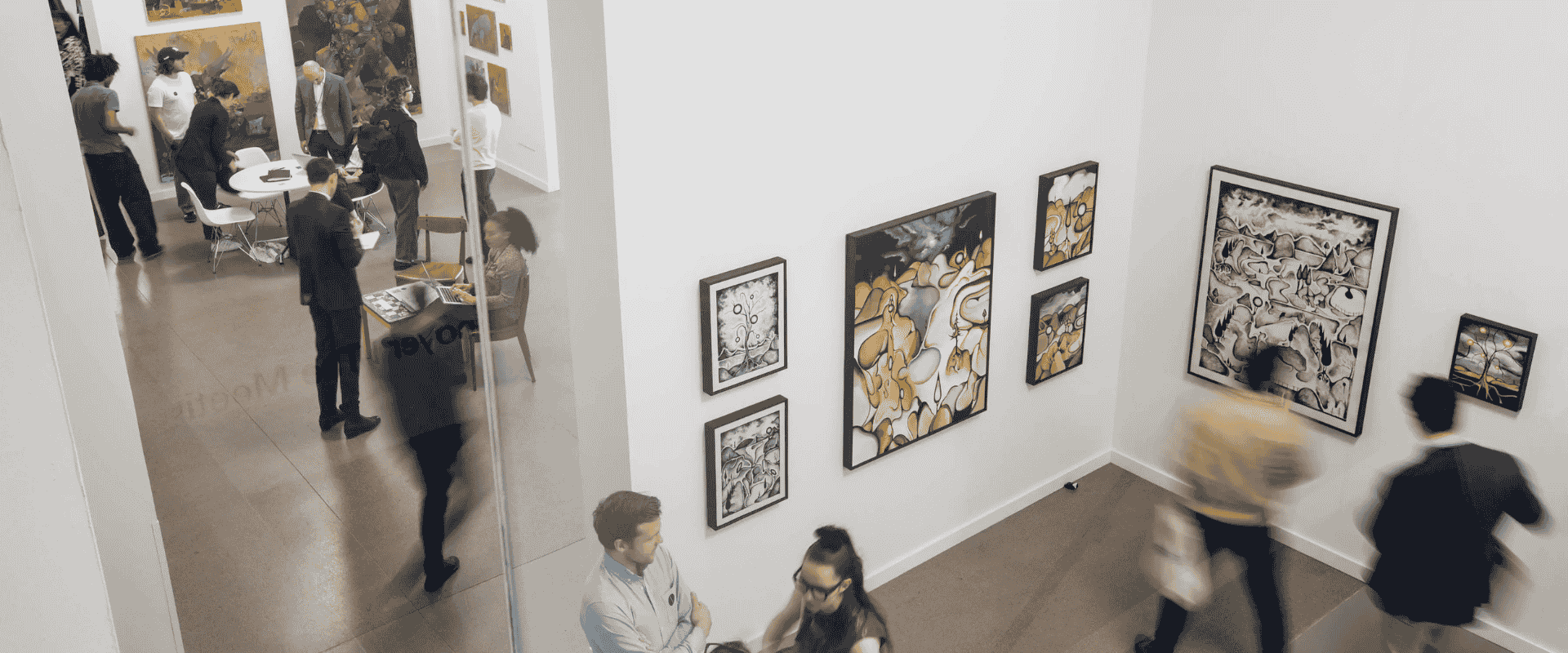
Gallery-Inspired Event Spaces in NYC: Leveraging Building History and Minimalist Design for Brand Excellence
In Tribeca, a former 1930s theater has been transformed into a monumental, light-filled venue where exposed stage trusses, gallery-like volumes and intentionally quiet interiors allow brands to turn architecture itself into a storytelling tool.
From hidden theater to flagship event destination
The building’s reinvention brings together two design lineages: interiors by Aldo Andreoli and exterior and structural work by Morris Adjmi Architects. Their shared ambition was to create a best-in-class event destination without erasing the character of the original structure.
During construction, the team uncovered original roof trusses from a 1930s theater once housed in the building. Rather than concealing them, the architects kept them exposed on the sixth floor. Today, those trusses deliver both drama and authenticity: guests immediately understand they are standing in a space that has always been about performance, audience and spectacle.
On the street, a three-story glass curtain wall now sits in front of the historic masonry, creating a clear visual bridge between old New York and contemporary Tribeca. It signals to guests that what happens inside is meant to be both elevated and accessible, like a contemporary museum you can see into from the sidewalk.
Monumental, column-free volumes with a gallery mindset
To achieve the verticality required for global conferences, shows and installations, the slab between the fifth and sixth floors was removed, creating soaring, column-free studios with ceiling heights up to approximately 30 feet.
Across the building, key event spaces share a “gallery-first” mindset:
- Open, rectilinear plans that are easy to read and zone.
- Concrete or stripped wood floors that recede visually in photos and video.
- Floor-to-ceiling windows framing Tribeca and, from the roof terrace, sweeping views of the Hudson River and downtown Manhattan.
Taken together, the ground-floor Gallery, the fifth and sixth-floor studios and the rooftop form a vertical creative campus. Brands can welcome guests at street level, move them into monumental volumes for programming, and close the loop with open-air networking against the skyline.
Exposed theatre history as a brand storytelling device
The exposed 1930s trusses on the sixth floor are more than an architectural flourish, they are ready-made narrative anchors for brand teams.
Launches can be framed as premieres. Leadership summits can be staged like opening nights. The structure literally overhead gives creative and experiential teams a shared language around acts, scenes, intervals and audiences.
Practically, the trusses also provide robust rigging opportunities. Lighting designers, scenic teams and content producers can suspend fixtures, banners and immersive elements while keeping the industrial theater skeleton visible. This balance of intervention and restraint is what makes the space feel both designed and honest.
Intentionally quiet interiors that make brands the subject
Inside, the design language is deliberately minimal: white walls, quietly luxurious floors, and a blackened steel vocabulary repeated in doors, trims and framing. The hero move is the blackened steel staircase, fabricated in Italy and shipped to New York piece by piece, which acts as a sculptural connector between the fifth floor and the rooftop.
For brands, this intentional quietness pays off in three ways:
- Content-first visuals: campaign imagery, press shots and social content read cleanly, with no competing patterns or colors.
- Flexible identity expression: a delicate logo treatment or a bold color-blocked installation can both sit comfortably in the same neutral shell.
- Elevated guest experience: from glass-fronted green rooms and generous en-suite bathrooms to curated mid-century furniture, the environment feels residentially refined rather than convention-center generic.
A building that can pivot between formats without losing coherence
The venue is engineered to behave like a multi-use hub rather than a single-purpose hall. Operable walls allow studios to be combined or separated; built-in sound, three-phase power and unobtrusive lighting infrastructure sit ready behind the scenes; and robust connectivity underpins everything from live-streamed keynotes to interactive installations.
In practice, this means a brand can:
- Host a keynote in theatre-style seating in the morning.
- Pivot to workshops, demos or showroom-style walk-throughs in the afternoon.
- Reset for a gallery-style cocktail or seated dinner in the evening.
All of this happens within one continuous architectural story, so guests never feel like they are being “moved into another venue” just into the next chapter of the experience.
Designing gallery-like journeys for brand excellence
To fully leverage the gallery-inspired nature of the building, event design can borrow from museum thinking:
- Treat the Gallery at street level as an introduction, where the brand’s narrative is set up before guests even reach the main studios.
- Use the blackened steel staircase as a processional moment, with lighting, sound or subtle graphics reinforcing the transition from city to brand universe.
- Choreograph the studios as a series of “rooms”: main program, salon lounge, content capture corner, private hospitality suites.
- Close on the rooftop, letting the Hudson and Manhattan skyline act as the final exhibit and photo backdrop.
By aligning programming, scenography and content capture with the building’s inherent strengths, exposed theatre structure, monumental light, minimalism, brands can achieve a level of polish and memorability that goes beyond standard “nice venue” expectations.
Key Facts
- Column-free studios with ceiling heights up to ~30 ft and expansive floorplates.
- Exposed historic trusses on the sixth floor provide built-in character.
- Intentionally minimal interiors with a sculptural blackened steel staircase linking to the rooftop.
- Multi-use configuration allows the building to pivot between conferences, launches, shows and receptions.
FAQ
What makes these NYC event spaces “gallery-inspired”?
They combine clean, neutral finishes with generous natural light and simple geometries. The result is a series of spaces that behave like blank-yet-characterful canvases: strong enough to feel designed, quiet enough to let brand content and product storytelling dominate.
Why is minimalist design so powerful for brand excellence?
Minimalism removes visual noise. Logos read more clearly, color accents feel intentional, and content on screens or runways becomes the focus. It also ages well in photography and video, which is critical when event content is repurposed across global channels.
Can the venue handle both conferences and more experiential formats?
Yes. Thanks to operable walls, integrated AV, robust power and flexible layouts, the building can support everything from classic theatre-style sessions to immersive exhibitions, fashion shows and high-touch dinners, all within a single, coherent environment.
How can rooftop views be integrated into a brand strategy?
The rooftop, with its west-facing views over the Hudson and downtown, is ideal as a climax to the event journey, whether for sunset receptions, VIP moments or content capture. Positioned after the interior programming, it leaves guests with a strong, unmistakably New York memory of the brand.
